The essentials
UK consumers are forecast to spend £17.9 billion across Black Friday and the Christmas run-up in 2026 — a substantial figure, but one that comes with a caveat worth noting: 71% of shoppers say they plan to cut back on non-essentials this year, as brands compete harder than usual for a more selective wallet. For independent retailers, the season isn’t smaller — it’s simply more considered, and more spread out.
A calendar with four distinct moments
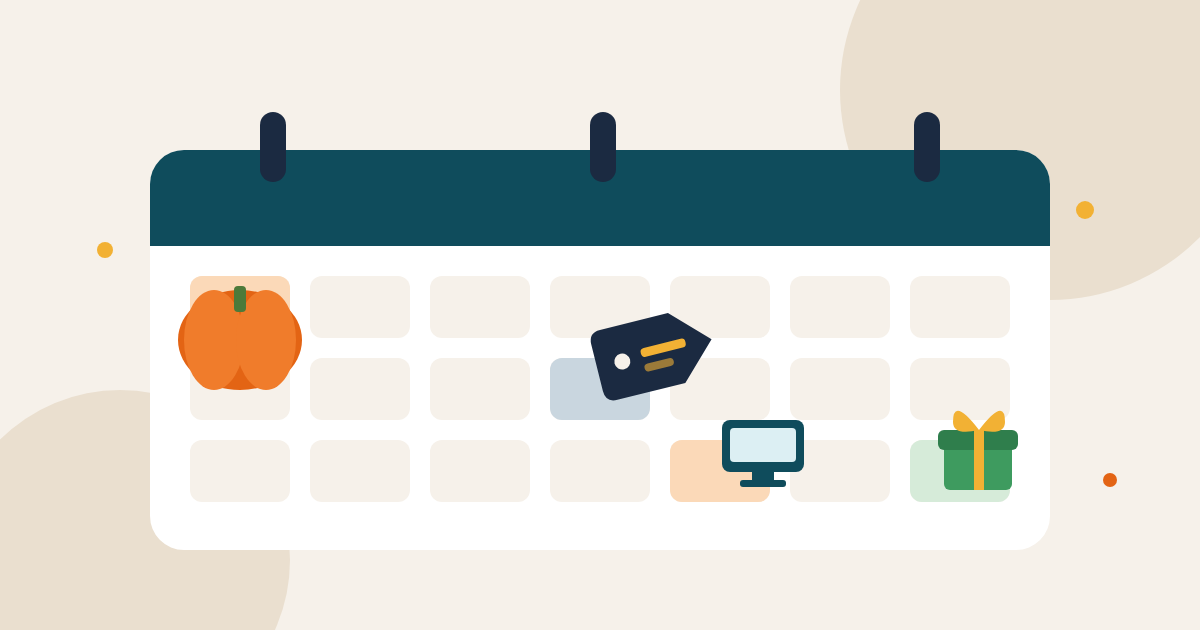
The quarter opens with Halloween on 31 October — lower-stakes and less competitive than what follows, and a useful dry run before the bigger events. Black Friday (27 November) and Cyber Monday (30 November) follow in quick succession, before December concentrates the bulk of gift buying through to Christmas Day. Boxing Day closes the quarter with its own, distinct sales moment. Four events in roughly nine weeks, each pulling different categories of spending.
Shoppers are starting earlier than the calendar suggests
One of the clearer trends shaping independent retail this year is how much earlier the season effectively begins. Some sellers have reported year-on-year increases well over 100% in early orders for seasonal items such as Halloween advent calendars — a sign that shoppers are spreading festive spending across months rather than concentrating it into single days. For a business still planning to launch its first seasonal campaign in November, that’s a meaningful head start being left on the table.
A more selective spender, not a smaller one
The combination of a large aggregate spending figure and a majority planning to cut back on non-essentials points to a shopper who is trading down on impulse buys while still spending meaningfully on the things that matter to them — gifts, experiences, and treats with real intent behind them. That rewards retailers who can make a clear, well-timed case for why their offer matters, over those relying on last-minute discounting to catch attention.
What it means for independent retailers
Two practical takeaways follow. First, timing: a campaign prepared one to two weeks ahead has a real advantage over one launched the day before, particularly as shoppers increasingly plan rather than browse on impulse. Second, channel mix: with attention spread across a longer season, relying on a single channel makes it easier to be missed — an email announcement ahead of time, a same-day SMS nudge, and an ongoing social presence each do different work rather than repeating the same message.
Sector by sector
- Halloween (31 October): shops, food and drink, bakeries — short, fun offers.
- Black Friday (27 November) / Cyber Monday (30 November): all sectors, with particular intensity in fashion and electronics.
- December to Boxing Day: jewellery, homeware, gifts, and hospitality for festive gatherings.
In summary
Plan one to two weeks ahead, combine channels rather than leaning on one, and expect a more selective shopper rather than a smaller one — the three takeaways independent retailers can draw from this year’s Q4.